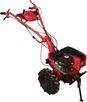
Indonesia's farming landscape is shifting dramatically with the adoption of "mesin traktor sawah" (rice field tractor machines). These mini cultivators redefine "bajak" (plowing) processes, addressing critical needs for small and medium-sized farms long underserved by large, expensive tractors.
The "traktor mini" excels in Indonesia's diverse terrain, navigating narrow pathways and tight spaces between fragmented farm plots-essential for island and rural agriculture. Smallholder farmers, who form most of the agricultural workforce, benefit greatly from this maneuverability.
Affordability drives their popularity, with "harga traktor mini" significantly lower than full-sized tractors. Combined with reduced fuel use and easy maintenance, the "hand traktor mini" offers a smart investment for budget-conscious farmers aiming to boost output.
Beyond plowing, these versatile machines handle harrowing, leveling, and light transport-cutting "bajak sawah" time by up to 70% versus manual methods. This efficiency helps Indonesia enhance rice production and reduce imports by freeing labor for planting and harvesting.
Demand surges in major rice-producing provinces like West Java, Central Java, and South Sulawesi. Suppliers offer diverse models, with "harga traktor mini" varying by horsepower and features, from entry-level to advanced options.
Government support accelerates adoption through subsidies, training, and awareness campaigns promoting mechanization benefits. Farmers report higher yields and less physical strain, improving livelihoods with "hand traktor mini" technology.
As Indonesia prioritizes food security, mini cultivators play an expanding role. More than just machines, "traktor mini" symbolize progress, empowering farmers to work smarter and secure better futures. With unbeatable affordability, efficiency, and adaptability, these tools are essential to Indonesia's agricultural modernization journey.