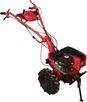
Before starting the tiller, pre-operation checks are indispensable. First, focus on the air filter-a component easily overlooked but vital for engine health. Open the air filter cover and carefully fill the specified type of engine oil into the filter chamber according to the manufacturer's recommendations. This creates an effective barrier against dust and debris, preventing them from entering the engine and causing abrasion or damage.
Next, fueling requires strict adherence to instructions. Refer to the user manual to confirm the correct fuel type (usually gasoline for small engines) and fuel grade. Never mix different fuel types or use low-quality fuel, as this can lead to engine knocking, reduced power, or even severe damage. When refueling, ensure the engine is cool and the machine is placed on a flat surface to avoid spills.
Checking the oil level is another critical pre-start step. Locate the oil dipstick, pull it out, wipe it clean, reinsert it fully, and then pull it out again to check the oil level. The oil should be between the minimum and maximum marks on the dipstick. If the level is too low, add the recommended oil to prevent engine overheating and premature wear.
After completing these checks, start the engine in a well-ventilated area. Let it idle for 2-3 minutes to warm up, allowing oil to circulate fully. Then, engage the tiller blades gradually and adjust the tilling depth according to soil conditions. During operation, maintain a steady walking speed, keeping a safe distance from the rotating blades.
Post-operation, turn off the engine and allow it to cool. Clean the tiller blades and check for any loose parts or damage. Proper maintenance after each use ensures the micro-tiller remains reliable for long-term use