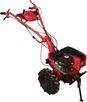
1. Key Differences Between Gasoline and Diesel Tillers
a. Power and Torque
Gasoline Tillers: Gasoline engines typically deliver higher RPMs (revolutions per minute), making them ideal for lighter tasks and faster tilling in soft or medium-density soil. They are generally lighter and easier to maneuver.
Diesel Tillers: Diesel engines produce greater torque at lower RPMs, excelling in heavy-duty tasks. They are better suited for breaking hard, compacted soil or rocky terrain.
b. Fuel Efficiency and Cost
Gasoline Tillers: Less fuel-efficient compared to diesel models, especially under heavy loads. Gasoline is more readily available but often costs more per liter.
Diesel Tillers: Diesel engines consume 20–30% less fuel under similar workloads, offering long-term savings. However, diesel engines have higher upfront costs.
c. Maintenance and Durability
Gasoline Tillers: Require more frequent maintenance (e.g., spark plug replacements) but are simpler to repair. They have a shorter lifespan under continuous heavy use.
Diesel Tillers: Built with sturdier components, diesel engines last longer and withstand harsh conditions. Maintenance is less frequent but can be costlier due to complex parts.
d. Environmental Impact
- Gasoline engines emit more CO2, while diesel engines release higher levels of particulate matter. Local emission regulations may influence your choice.
2. Choosing the Right Tiller for Your Farmland
a. Gasoline Tillers: Best For
-Small to Medium Farms: Ideal for gardens, vegetable plots, or orchards with loose or loamy soil.
-Sloped or Irregular Terrain: Their lightweight design allows easy handling on uneven ground.
-Intermittent Use: Suitable for seasonal farmers or those with limited tilling needs.
b. Diesel Tillers: Best For
-Large-Scale Farming: Efficient for expansive fields requiring deep, consistent tilling.
- Hard or Clay-Rich Soil: Their high torque breaks through compacted earth, preparing it for planting.
- Frequent Heavy-Duty Use: Built to endure daily operation in commercial farming or reclamation projects.
---
3. Practical Tips for Buyers
- Soil Testing: Analyze soil density and composition to determine power requirements.
- Budget Considerations: Weigh upfront costs against long-term fuel and maintenance expenses.
- Climate: Diesel engines perform better in hot climates, while gasoline models start reliably in cold weather.
---
Conclusion
Whether you opt for a gasoline or diesel tiller depends on your soil type, farm size, and operational demands. Gasoline models offer agility and affordability for smaller plots, while diesel tillers provide unmatched endurance for challenging terrain. By aligning your choice with your specific needs, you can maximize productivity and ensure sustainable farming practices.